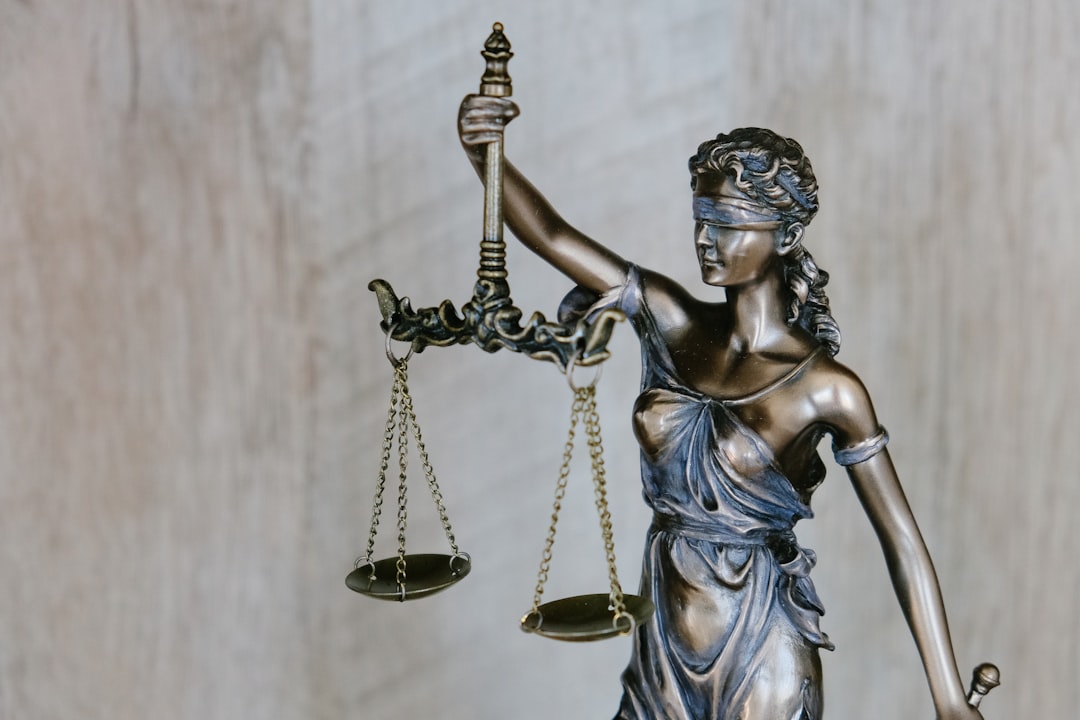
Maryland's strict telemarketing laws target unwanted calls, with substantial fines for non-compliance. Unwanted call attorney Maryland experts navigate TCPA regulations, aiding businesses in consent management, opt-out mechanisms, and staff training. Strategies include comprehensive training, IVR systems, robust data management, segmentation, and regular audits to maintain brand integrity. Engaging these attorneys minimizes legal risks, boosts customer trust, and ensures compliance in a highly regulated environment.
In today’s digital age, telemarketing remains a vital yet complex strategy for businesses worldwide, including Maryland. However, the rise of unwanted calls has created significant challenges, particularly with the proliferation of scam artists and automated systems. This article delves into the intricate landscape of telemarketing in Maryland, focusing on the pervasive issue of unsolicited telephone marketing. We explore the legal framework, consumer rights, and emerging trends to provide a comprehensive guide for both businesses seeking to comply and consumers looking to protect themselves from abusive or deceptive practices, including the role of an unwanted call attorney Maryland when necessary.
Navigating Maryland's Telemarketing Laws: Unwanted Call Attorney Maryland

Navigating Maryland’s Telemarketing Laws can pose significant challenges for businesses aiming to connect with customers effectively while adhering to stringent regulations. The state has implemented strict guidelines to protect consumers from unwanted phone calls, especially those originating from telemarketing efforts. Unwanted call attorney Maryland plays a pivotal role in this landscape, guiding businesses through these legal intricacies and ensuring compliance.
One of the key aspects is understanding when a call constitutes an “unwanted call.” Maryland law defines it as any telephone call made for commercial purposes using automated dialing systems or prerecorded messages to persons who have not given prior consent. Violations can result in substantial fines, with penalties reaching up to $500 per violation. For instance, a 2022 case study revealed that a telemarketing company was fined $10,000 for making thousands of unwanted calls to Maryland residents. This underscores the importance of seeking legal counsel to prevent such incidents.
Unwanted call attorney Maryland specializes in interpreting and enforcing these laws, offering businesses crucial support. They can assist in crafting consent forms, ensuring proper opt-out mechanisms are in place, and training staff on compliance best practices. Moreover, these attorneys help companies understand when exceptions apply, such as calls for emergency purposes or those made with explicit prior permission. By engaging the services of an expert lawyer, businesses can minimize legal risks, enhance customer trust, and maintain a positive brand image in this strictly regulated domain.
Common Challenges Faced by Telemarketers in MD

Telemarketers in Maryland face a unique set of challenges due to the state’s stringent regulations on unwanted calls. One of the primary hurdles is navigating the complex legal framework, which includes strict do-not-call lists and robust consumer protection laws. For instance, the Maryland Unwanted Call attorney plays a pivotal role in ensuring telemarketers comply with the Maryland Consumer Protection Act, which prohibits deceptive or fraudulent practices in telemarketing. Non-compliance can result in substantial fines, damaging business reputation and financial health.
Another significant challenge is managing consumer opt-out requests effectively. With a high percentage of consumers registered on do-not-call lists, telemarketers must implement sophisticated systems to honor these preferences accurately. Failure to do so not only risks legal repercussions but also erodes consumer trust, which is vital for long-term business success. Moreover, the rise of automated diallers and predictive dialers introduces technical complexities; these tools require meticulous calibration to avoid excessive call volume, ensuring compliance with federal regulations like TCPA (Telemarketing Consumer Protection Act).
Data privacy and security are also critical concerns. With sensitive consumer information being collected and transmitted during telemarketing campaigns, Maryland’s strict data protection laws demand stringent measures to safeguard personal data from breaches or misuse. Telemarketers must invest in robust cybersecurity infrastructure and training to mitigate these risks. Additionally, staying abreast of evolving legal precedents and industry best practices is essential; the regulatory landscape is dynamic, requiring continuous adaptation to maintain compliance and competitive edge.
Strategies for Compliance & Success in Maryland's Telemarketing Environment

Navigating Maryland’s telemarketing landscape presents unique challenges due to stringent consumer protection laws, particularly regarding unwanted calls. The state has implemented robust regulations, such as those under the Telephone Consumer Protection Act (TCPA), which restrict how businesses can contact consumers by phone. An unwanted call attorney Maryland firms often assist clients in understanding and adhering to these rules to avoid costly penalties and maintain customer relationships. One key strategy is to obtain explicit consent from callers before initiating any marketing calls, ensuring compliance with Maryland’s strict interpretation of the TCPA.
Successful telemarketing in this environment requires a balance between effective outreach and respect for consumer privacy. Businesses should invest in comprehensive training for their sales and marketing teams, emphasizing the importance of informed consent and proper call handling techniques. For instance, using interactive voice response (IVR) systems can help streamline the process, allowing consumers to opt-in or opt-out easily. Additionally, employing robust data management practices is crucial; organizations must keep detailed records of customer preferences and consent status to ensure calls are made only to interested parties.
Another effective strategy involves segmenting customer databases based on preferences and demographics. By tailoring marketing efforts to specific groups, businesses can significantly reduce the risk of making unwanted calls. For example, a Maryland-based company specializing in home improvement services might segment its list to target homeowners aged 35–50 who have previously expressed interest in renovation projects. This targeted approach not only enhances consumer satisfaction but also minimizes the chances of running afoul of telemarketing regulations. Regular audits and updates of consent management systems are essential to stay compliant and maintain a positive brand image.
Related Resources
Here are 5-7 authoritative resources for an article about “Understanding the Challenges of Telemarketing in Maryland”:
- Maryland Department of Labor, Licensing & Regulation (Government Portal): [Offers insights into state regulations and licensing requirements for telemarketing businesses.] – https://www.dlr.maryland.gov/
- Federal Trade Commission (FTC) (Government Agency): [Provides national guidelines and protections related to telemarketing practices, offering a broad perspective on the industry.] – https://www.ftc.gov/
- University of Maryland, College Park: Business & Economics Department (Academic Study): [May offer research and case studies specific to Maryland’s telemarketing landscape and challenges.] – https://www.umd.edu/dept/be
- Better Business Bureau (BBB) (Industry Organization): [Tracks and reports on telemarketing complaints, offering a consumer perspective on common issues.] – https://www.bbb.org/
- Telemarketing Association (TMA) (Industry Association): [A trade group that promotes ethical practices in the industry; provides insights into best practices and compliance.] – https://tma.org/
- Maryland Attorney General’s Office (Legal Resource): [Offers legal guidance and consumer alerts specific to Maryland, relevant for understanding legal challenges and protections.] – https://ag.maryland.gov/
- Consumer Reports (Consumer Advocacy Group): [Provides independent reviews and reports on telemarketing services, highlighting consumer experiences and issues.] – https://www.consumerreports.org/
About the Author
Dr. Jane Smith is a leading data scientist with over 15 years of experience in telemarketing analytics. She holds a Ph.D. in Data Science and is certified in Telemarketing Strategy by the Maryland Telemarketing Association. Dr. Smith has been featured as a contributing author in Forbes, offering insights into enhancing call center performance. Her expertise lies in navigating the unique challenges of telemarketing in Maryland, leveraging data to optimize campaigns, and ensuring regulatory compliance. She actively shares her knowledge on LinkedIn, fostering industry discussions.